Maintaining a safe and efficient workspace is a top priority for business owners. From protecting employees to optimizing operational flow, small but targeted improvements can have a big impact. Many workplaces underestimate the value of routine inspections and preventive maintenance, assuming safety and efficiency upgrades require major renovations or costly overhauls.
The good news is that improvements don’t have to disrupt daily operations. By focusing on actionable steps that address both safety and operational efficiency, business owners can enhance productivity, reduce liability risks, and maintain compliance with industry regulations. This guide explores eleven straightforward actions that consistently deliver results in commercial spaces. Each approach is designed to minimize downtime while maximizing long-term benefits.
1. Inspect and Upgrade Plumbing Systems
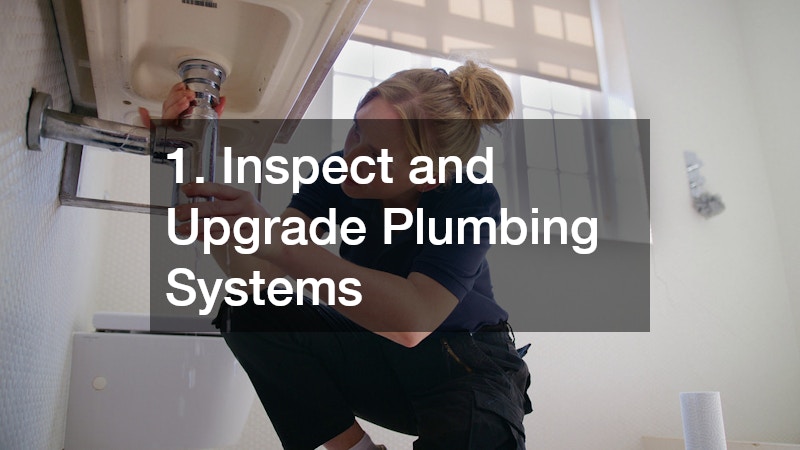
Reliable plumbing is the backbone of any commercial workspace. Leaks, blockages, or outdated fixtures can disrupt operations, create hazards, and increase utility costs. Routine inspections from trusted commercial plumbing providers identify weak points and prevent emergencies before they occur.
Scheduled maintenance ensures that water pressure is adequate, drainage is clear, and pipe integrity is maintained. In larger facilities, even minor leaks can cause slip hazards, mold growth, and structural damage. Investing in preventive plumbing services can minimize downtime and reduce repair costs over time.
Additionally, modern commercial plumbing upgrades may include water-efficient fixtures, backflow prevention, and improved sanitation systems. These enhancements not only improve operational efficiency but also support sustainability goals. By prioritizing regular maintenance, businesses can protect both employees and equipment while keeping water systems reliable and cost-effective.
2. Strengthen Roof Integrity
The roof is one of the most critical components of a commercial building. Damage, leaks, or worn materials can compromise safety, lead to costly repairs, and disrupt operations. Partnering with experienced commercial roofers ensures the structure is inspected, maintained, and upgraded as needed.
Routine roof maintenance includes checking for leaks, damaged shingles or membranes, and proper drainage. Timely repairs prevent water intrusion, which can damage ceilings, insulation, electrical systems, and HVAC equipment. Even small issues left unaddressed may escalate, creating a risk to staff and inventory.
Proactive roof management also extends the life of the building’s materials. Energy-efficient roofing options can reduce heating and cooling costs while supporting sustainability initiatives. By staying ahead of potential roof problems, businesses safeguard employees, preserve assets, and avoid emergency disruptions that can interrupt daily operations.
3. Enhance Entry Point Security
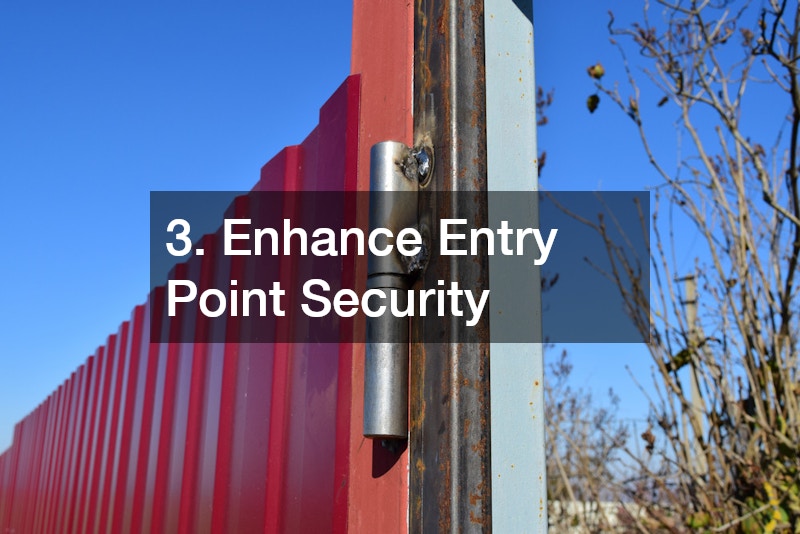
Controlled access is vital for commercial safety. Entrances that are poorly secured may allow unauthorized personnel to enter, putting employees, inventory, and sensitive data at risk. Engaging commercial locksmiths ensures locks, access control systems, and security mechanisms are up to date and functioning properly.
In addition to locks, gates can control vehicle and foot traffic, support automated security systems, and prevent accidental or unauthorized entry. These gates can be integrated with automated security systems, surveillance cameras, and access control panels to provide a seamless layer of protection that enhances overall site security. Beyond deterring unauthorized entry, a well-designed gate can also prevent accidental access by visitors, delivery personnel, or employees, reducing liability risks and safeguarding property. Installing or upgrading a commercial entry gate provides an additional layer of protection. Regular maintenance ensures that gates operate reliably and reduces the risk of malfunctions that could compromise safety.
Investing in access point security protects both people and assets while creating a sense of confidence for employees and visitors. Routine inspections, key audits, and mechanical or electronic adjustments are small steps that significantly improve workplace safety and operational control.
4. Keep Carpets and Floors Clean
Workplace hygiene directly affects employee health, safety, and productivity. Dirty or stained carpets can harbor allergens, mold, or bacteria that contribute to illness and discomfort. Routine commercial carpet cleaning removes dirt and contaminants, extending carpet life and maintaining a professional environment.
Beyond aesthetics, clean flooring prevents slip-and-fall accidents and enhances overall safety. High-traffic areas benefit from targeted cleaning schedules that reduce wear while keeping surfaces free of debris and moisture. When carpets are maintained properly, they support better indoor air quality and reduce maintenance costs over time.
Commercial carpet cleaning services provide specialized equipment and techniques that address both deep cleaning and preventative care. This ensures floors remain functional and safe while minimizing disruption to daily operations. Regular attention to flooring is a simple but highly effective strategy for maintaining an efficient, healthy workspace.
5. Ensure Fire Safety Measures Are Current
Fire hazards pose a significant threat to any commercial property. Properly maintained commercial fire alarms are crucial for early detection, protecting employees and minimizing property damage. Routine inspections verify that sensors, panels, and emergency systems are working as designed.
Compliance with fire codes often requires professional testing and documentation. Fire alarm maintenance ensures alarms sound promptly, sprinklers operate correctly, and emergency lighting is functional. Neglecting these systems can lead to serious accidents, increased insurance costs, and potential legal liabilities.
Beyond detection, fire safety measures may include employee training, clearly marked exits, and strategically placed fire extinguishers. By integrating these practices with professional fire alarm maintenance, workplaces can reduce risk and respond effectively during emergencies. Proactive fire safety safeguards lives, equipment, and business continuity.
6. Optimize HVAC Performance
Efficient heating, ventilation, and cooling are essential for employee comfort and energy savings. Partnering with commercial HVAC contractors ensures systems are inspected, cleaned, and fine-tuned for optimal performance.
Routine maintenance includes checking air filters, refrigerant levels, ductwork, and thermostats. Neglecting these tasks can lead to uneven temperatures, poor air quality, and costly breakdowns that disrupt operations. Preventive care also helps identify issues such as leaks, worn components, or airflow blockages before they become emergencies.
Well-maintained HVAC systems reduce energy consumption and provide a healthier indoor environment. Employees experience improved comfort, fewer sick days, and better productivity. In large commercial facilities, even small efficiency improvements can lead to significant cost savings over time.
By scheduling regular checkups and working with certified professionals, businesses can maintain a reliable climate control system that supports operational efficiency and reduces long-term repair expenses.
7. Trim Trees and Manage Outdoor Vegetation
Unmanaged trees and landscaping can create hazards such as falling branches, obstructed walkways, or damage to roofs and siding. Commercial tree companies offer pruning, removal, and preventive care to maintain safe and functional outdoor spaces.
Tree maintenance ensures that branches do not interfere with power lines, signage, or access points. Overgrown roots can also threaten sidewalks, driveways, or underground utilities. By addressing these issues proactively, businesses reduce the risk of accidents and costly repairs.
In addition to safety, well-maintained landscaping improves curb appeal and creates a welcoming environment for employees and visitors. Routine attention to trees and shrubs supports efficient water drainage and prevents obstruction of parking areas or loading zones.
Coordinating with professional tree services ensures that work is done safely, efficiently, and in compliance with local regulations. Properly managed vegetation safeguards property, reduces liability, and enhances the overall functionality of outdoor areas.
8. Maintain Exhaust and Ventilation Systems
Industrial kitchens, manufacturing facilities, laboratories, and other high-activity workspaces depend on clean and efficient exhaust systems to maintain both safety and productivity. Over time, grease, dust, smoke, and other contaminants build up within ducts, fans, and hoods, creating fire hazards, reducing airflow, and negatively affecting indoor air quality. Commercial exhaust cleaning addresses these challenges by thoroughly removing residues that accumulate in both visible and hard-to-reach areas.
Neglecting ventilation and exhaust maintenance can have cascading effects on operations. Equipment may overheat due to restricted airflow, air quality can decline, and employees may be exposed to airborne irritants or contaminants. Poorly maintained systems can also increase energy consumption as fans and motors work harder to compensate for blockages, driving up operational costs. Regular cleaning ensures that all components—including hoods, ducts, fans, and vents—function optimally, reducing strain on mechanical systems while supporting regulatory compliance.
Professional technicians bring specialized tools, brushes, and environmentally safe cleaning agents to tackle even stubborn grease and dust accumulation. In addition to cleaning, they inspect components for wear, corrosion, or loose connections, providing recommendations to prevent future issues. This dual approach of cleaning and inspection not only mitigates fire hazards but also improves airflow, eliminates odors, and maintains consistent ventilation performance.
Routine commercial exhaust cleaning is a proactive measure that is often overlooked but delivers high-impact benefits. By keeping air pathways clear and equipment in top condition, businesses reduce downtime, prevent emergency repairs, and protect the health of employees. A clean, well-maintained exhaust system supports operational efficiency, safety, and comfort, making it a critical part of any facility’s preventive maintenance strategy.
9. Improve Janitorial and Sanitation Practices
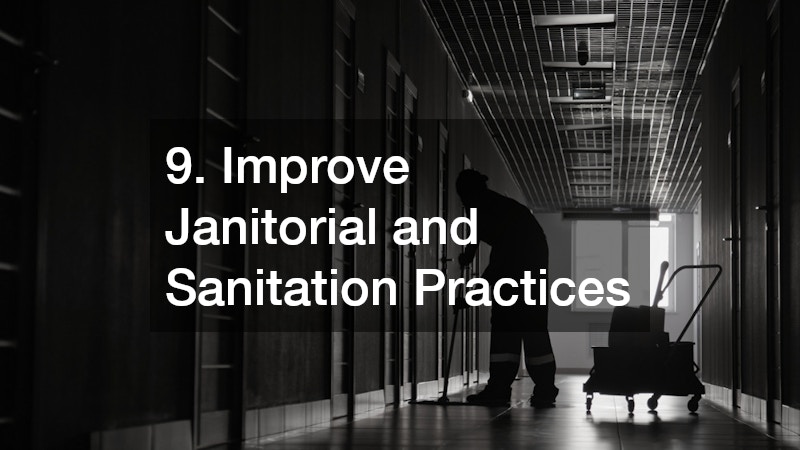
A clean and organized workplace directly impacts both safety and operational efficiency. Commercial janitorial cleaning services offer a comprehensive approach that goes well beyond basic surface cleaning, addressing high-touch areas, restrooms, breakrooms, and shared spaces where germs and dirt can accumulate. Regular professional cleaning ensures that floors, carpets, windows, and fixtures are maintained, reducing wear and prolonging the life of workplace assets.
Maintaining hygiene is crucial for minimizing the spread of illnesses, which in turn reduces employee absenteeism and boosts overall productivity. Professional cleaning teams use industry-grade disinfectants and cleaning protocols to target bacteria, viruses, and other pathogens that can linger on desks, door handles, countertops, and communal equipment. By systematically disinfecting these areas, janitorial services help safeguard the health of staff and visitors alike.
Beyond daily cleaning, commercial janitorial services include scheduled deep cleaning cycles, which focus on high-risk or difficult-to-reach areas such as vents, ceilings, and under heavy equipment. Specialized tools and equipment ensure that dust, debris, and allergens are effectively removed, improving indoor air quality and reducing respiratory hazards. Floors and carpets are treated with appropriate methods to prevent slips, trips, or falls, directly supporting workplace safety.
Investing in professional janitorial services also supports compliance with workplace safety and hygiene regulations. By maintaining a consistent cleaning schedule, businesses can avoid citations, reduce long-term maintenance costs, and extend the lifespan of office furnishings and flooring. Employees benefit from a cleaner, healthier, and more comfortable environment, which enhances morale, focus, and operational efficiency. A well-maintained workspace signals professionalism, care, and commitment to safety, creating a positive impression for both staff and visitors.
10. Inspect and Repair Roofs Regularly
A structurally sound roof is vital for protecting employees, equipment, and inventory. Routine inspections and timely repairs by commercial roofers prevent leaks, water damage, and potential safety hazards.
Roofing maintenance includes checking shingles or membranes, flashing, drainage systems, and insulation. Addressing minor issues early prevents extensive damage to ceilings, electrical systems, and HVAC units. Water intrusion can also create slippery surfaces or mold growth, increasing the risk of accidents.
Preventive roof care extends the lifespan of the building’s materials, reduces energy costs, and supports structural integrity. Whether through minor patching, gutter adjustments, or complete resurfacing, maintaining the roof ensures uninterrupted business operations and protects valuable assets.
Regular roof inspections by experienced professionals provide peace of mind, ensuring that any potential hazards are addressed promptly. This proactive approach safeguards both employees and property, enhancing overall workplace safety and efficiency.
11. Maintain Flooring and Concrete Surfaces
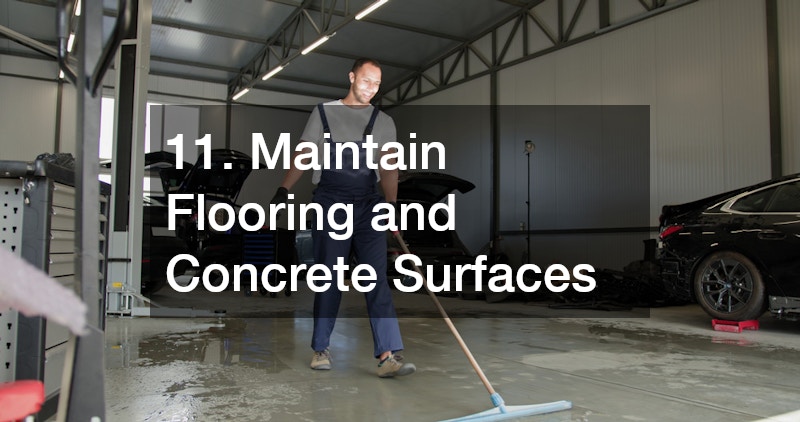
Workplace flooring and exterior concrete areas are high-traffic zones that influence safety, accessibility, and appearance. Regular maintenance prevents slips, trips, and falls, while preserving surfaces from wear and tear. Commercial carpet cleaning ensures interior floors remain hygienic and durable, while commercial concrete service addresses cracks, uneven surfaces, or damage to exterior walkways and parking areas.
Maintaining floors and pavements also supports efficient operations. Smooth, safe surfaces reduce equipment strain and make transport or deliveries easier. Routine inspections allow problems to be corrected early, preventing more expensive repairs or downtime later.
Professional care extends the life of flooring and concrete, ensures compliance with safety regulations, and maintains a professional appearance for employees and clients. Investing in consistent upkeep reduces liability and contributes to a safer, more efficient working environment.
Small, strategic improvements can dramatically enhance both safety and efficiency in commercial spaces. From plumbing and HVAC to roofing, flooring, and fire safety systems, routine maintenance prevents emergencies, reduces costs, and protects employees and assets.
Partnering with specialized providers—commercial plumbing experts, HVAC contractors, locksmiths, tree companies, janitorial services, and roofing professionals—ensures that all systems function optimally and in compliance with regulations. Regular inspections, preventive measures, and timely repairs keep workplaces safe, comfortable, and productive.
Implementing these eleven easy wins allows businesses to address risks proactively while improving operational flow. Over time, consistent attention to maintenance, cleaning, and security creates a resilient environment that supports employees, impresses clients, and preserves property value. By prioritizing small but meaningful actions, business owners can achieve a safer, more efficient, and worry-free workspace.